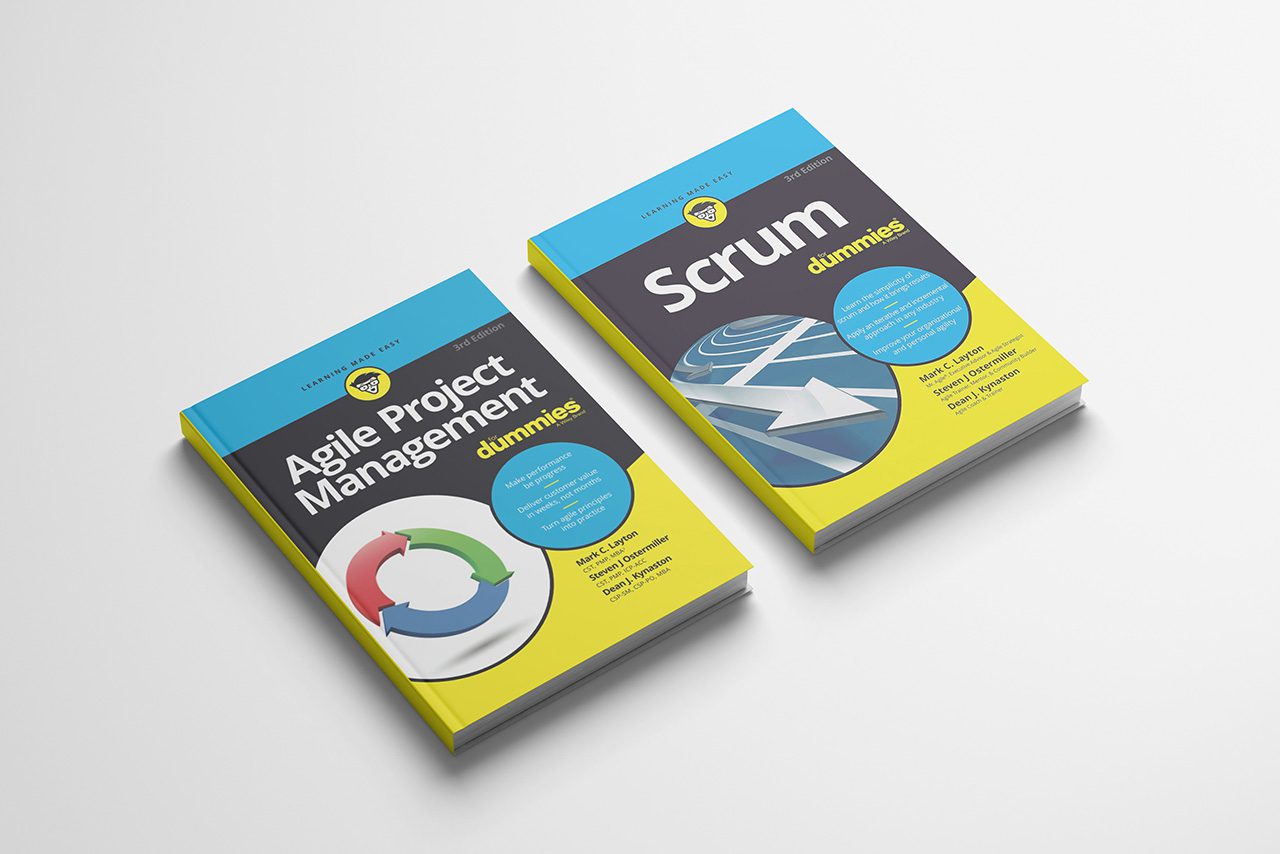


by Jason Gardner (ed.)
A common point of confusion for teams new to Scrum is the distinction between the product backlog and the sprint backlog. The names sound similar, they both involve lists of work, and they’re both central to Scrum. But conflating the two, or worse, managing them as if they’re interchangeable, leads to poor transparency, misaligned priorities, and weakened team ownership.
Let’s clear it up.
The Product Backlog: Your Long-Term Game Plan
Think of the product backlog as your strategic to-do list. It’s an evolving, prioritized inventory of everything that might be needed in the product. Owned by the product owner, it reflects stakeholder input, market trends, user feedback, and the overall product vision.
Key traits:
- Owned by the product owner
They’re accountable for prioritizing items based on business value. - Includes features, bugs, tech debt, and research
It’s not just new features, anything that contributes to product value belongs here. - Continuously refined
Good product owners keep it current, detailed (just enough), and transparent. - Spans multiple sprints
This isn’t a short-term task list, it could contain months of potential work.
In essence, the product backlog is your compass. It doesn’t tell you exactly how to get to your destination sprint by sprint, but it keeps the team oriented toward delivering maximum value.
The Sprint Backlog: Your Tactical Plan
Now, zoom into the current sprint. The sprint backlog is the team’s tactical plan for the sprint – the blueprint to achieve the sprint goal. It’s derived from the product backlog, but it’s a different artifact altogether.
Key traits:
- Owned by the development team
Once the team selects items during sprint planning, it’s their commitment, not the product owner’s. - Includes selected product backlog items and the plan to deliver them
It’s not just what to do, it’s how. Tasks, designs, sub-tasks, tests, etc. These tasks and designs often come out of sprint planning or emerge during the sprint. - Changes during the sprint (but not the scope)
The team may adjust tasks or strategies to meet the sprint goal, but they don’t change the committed stories without renegotiation. - Timeboxed to the sprint
This list exists only for the current sprint. It resets with every new planning session.
The sprint backlog is your playbook for the next few days. It’s focused, concrete, and entirely under team control.
Why the Distinction Matters
When teams blur the lines between these backlogs, dysfunction creeps in:
- Scope creep during sprints
If stakeholders treat the sprint backlog like an extension of the product backlog, mid-sprint requests sneak in. - Lack of team ownership
Teams that don’t manage their sprint backlog often rely too heavily on the product owner, weakening autonomy. - Poor forecasting
If there’s no clear separation, it’s hard to track progress or plan for future releases.
Clear boundaries empower the team to focus and the product owner to lead strategically.
Key Differences at a Glance
| Aspect | Product Backlog | Sprint Backlog |
| Owner | Product Owner | Development Team |
| Scope | Entire product | Current sprint |
| Purpose | Strategic roadmap | Tactical delivery plan |
| Timeframe | Long-term | Short-term (1 sprint) |
| Flexibility | Constantly refined | Adjusted within sprint, but fixed commitment |
Takeaways for Agile Teams
- Maintain two distinct backlogs to ensure clarity and control.
- Empower the product owner to own the “what” and the team to own the “how.”
- Regularly refine your product backlog, but protect the sprint backlog once the sprint starts.
- If confusion arises, inspect your current backlog process. Is it serving its purpose, or blurring boundaries?
Summary & Resources
Understanding the difference between the product backlog and sprint backlog isn’t just about terminology, it’s foundational to healthy Scrum. If you’re seeing breakdowns in delivery, misaligned expectations, or weak ownership, take a closer look at how your backlogs are defined and managed.
Further Reading:
- Scrum Guide – The Sprint Backlog
- Platinum Edge: The Role of the Product Owner
Ready to Improve Your Backlog Discipline?
Backlog mismanagement is one of the top blockers to real agility. Platinum Edge has helped thousands of teams refine their practices, increase delivery predictability, and align better with business goals. Let’s talk about how we can help your team next.